
Gardening Services Catford: Recycling and Sustainability Commitment
Gardening Services Catford is committed to creating an eco-friendly waste disposal area and a sustainable rubbish gardening area across every job we undertake in Catford and the surrounding boroughs. Our approach blends practical garden maintenance with clear recycling goals and low-carbon operations. We work to divert as much material as possible from landfill by separating green waste, timber, soil, and recyclable packaging onsite. Our core pledge is to be transparent about how we handle waste and to continuously improve our reuse and recycling outcomes.Our Recycling Percentage Target and Reporting
We have set a measurable recycling percentage target to drive operational change: a company-wide goal of 80% recycling and reuse of garden waste by 2028. That target covers organic composting, chipping for mulch, reuse of intact soil and stone, plus donation or redistribution of reusable items. We track recycling percentages monthly and publish internal summaries so every team member knows the impact of their work. For Garden maintenance contracts and one-off clearances our target may vary depending on site constraints, but the ambition remains the same: to maximise recovery and minimise landfill.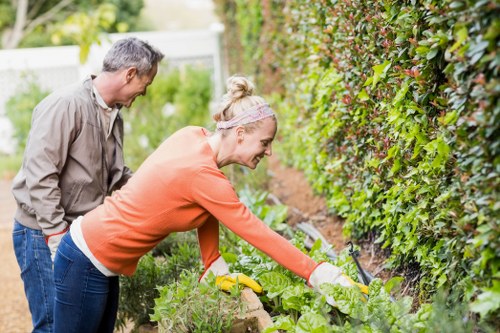 Local knowledge matters for sustainable disposal. We coordinate with nearby transfer stations and waste handling points across south-east London and the Lewisham area to ensure materials go to the right processing stream. Catford gardening services teams understand borough waste separation policies — including separate collections for dry recycling, garden waste and food waste — and we align our sorting to complement those municipal systems. When materials need to be transported, we use approved transfer stations and certified treatment facilities to keep the chain of custody clear and low-impact.
Practical Steps: How We Build an Eco-friendly Waste Disposal Area Onsite
Creating a sustainable rubbish gardening area starts with layout and process. Our teams set up clearly labelled containment zones so that soil, green cuttings, wood, masonry and recyclable packaging are separated from the start. Common onsite recycling activities include:- Chipping branches and woody material for mulch or local biomass schemes
- Composting leaves and green waste to produce nutrient-rich soil conditioner
- Segregating metal fastenings, plant pots and plastic trays for municipal dry recycling
- Separating reusable timber and stone for donation or reuse
These actions reduce transport volume and improve the quality of material sent to specialist processors, increasing our overall recycling rate.
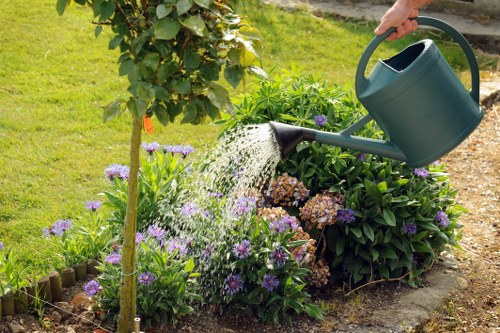
Partnerships with Charities and Community Projects
We maintain active partnerships with local charities and community groups to ensure reusable items are redirected rather than discarded. Examples include donating intact garden furniture, planters and surplus topsoil to community gardens, youth horticulture projects and repair/reuse charities. In addition to formal partnerships we support local volunteer-led initiatives and give priority to charities that accept reclaimed materials for community planting schemes. These arrangements both extend the life of materials and benefit local green spaces.The municipal approach in nearby boroughs, including Lewisham, emphasises separation so that garden waste and dry recyclables are treated in appropriate streams. We mirror that approach in our service: where a local council offers food waste and garden waste collections, our sorting complements those collections rather than duplicating them. By integrating our processes with borough norms, our Catford garden recycling efforts become part of the wider local circular economy, keeping contamination rates low and recovery rates high.
Low-Carbon Vans and Fleet Strategy
Our transport strategy is a core part of achieving a low-impact service. We are progressively introducing low-carbon vans — hybrid and fully electric vehicles — for short-run pickups and urban jobs in Catford and Lewisham. Fleet decisions account for payload needs (green waste can be heavy), so we balance electric usage for frequent short trips with efficient diesel alternatives for larger clearances where electric range or payload is limiting. The long-term plan is a fully low-emission fleet. Reduced fuel use, route optimisation and payload consolidation are practical steps we take every day to lower emissions.Working with transfer stations and processors that prioritise renewable energy recovery and certified composting helps ensure that when materials leave our custody they are treated in ways that minimise greenhouse gas emissions. Our goal is to make every tonne of garden waste count toward soil health, biomass energy or high-quality compost rather than landfill.
We also offer advice to customers on creating a sustainable rubbish gardening area at home: simple changes such as segregating woody cuttings, storing green waste in breathable sacks for collection, or leaving larger volumes for chipping can increase recycling rates. Our operational target of 80% recycled or reused material is supported by these small but effective customer actions. In practice, some jobs already recover above 90% where materials are clean and reusable.
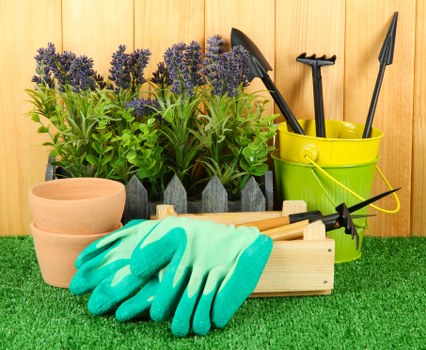 Training and accreditation underpin our approach. Staff receive guidance on waste separation, safe handling of compostable material and how to identify items suitable for donation. We work alongside borough recycling programmes and registered transfer stations to ensure compliance with local environmental regulations. Our documentation and pickup records are designed to be auditable so that the environmental outcomes of each Catford gardening project are traceable.
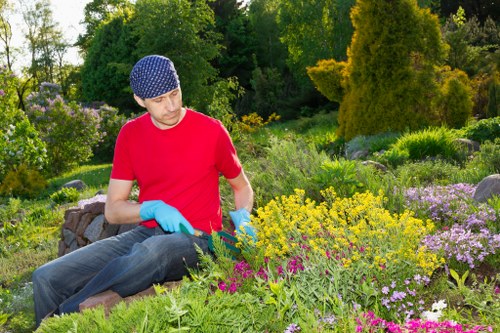 In summary, our sustainable gardening services in Catford combine clear recycling percentage targets, partnerships with local charities, practical onsite separation and a move to low-carbon vans to deliver an eco-friendly waste disposal area. Whether you need regular maintenance or a one-off clearance, our approach focuses on reuse, quality recycling and reducing the carbon footprint of garden waste handling. Gardening Services in Catford — responsible, local and committed to the circular reuse of garden materials.